helping the believer think - helping the thinker believe

JanKleinsmit

The Lord of History portrayed in the book of Isaiah

Unlike philosophical transcendence, which leaves God impersonal and unreachable, and pagan continuity, which reduce gods to capricious cosmic forces, the biblical God uniquely broke into human history, revealing His personal character through covenant relationships. This historical self-disclosure grounds ethical absolutes, meaningful human choice, and the possibility of genuine progress.


Read More »

Why Isaiah Still Matters: Ancient Words for a Modern Crisis

Isaiah confronts today’s worldview crisis with an ancient yet urgent claim: God stands above the cosmos, grounding human dignity, moral truth, and history’s meaning. He calls people to humble servanthood, transformed lives, and renewed historical vision — a corrective to a culture drifting toward power, relativism, and forgetfulness.

Read More »

God’s Homecoming

N. T. Wright recovers the Bible’s central, often‑forgotten promise: God intends to dwell with his creation, not abandon it. Tracing Scripture from Genesis to Revelation, he shows how God’s homecoming reshapes Christian hope, correcting the “escape to heaven” narrative and renewing prayer, mission, and the church’s life in the present.

Read More »

Something Has to Start It

Aristotle’s Unmoved Mover answers a persistent question: if every motion is caused, what began the chain? His insight endures because it points to an eternal, immaterial source of all change — a starting point reason can’t ignore, and a reminder that some questions must be traced back to the beginning.

Read More »

Why I write

Discouragement grows when Christians focus on problems they can not change. The pandemic exposed confusion, fear, and unhealthy responses in the church, but the answer isn’t withdrawal. True faith calls believers to wise, courageous engagement—using their real influence, relationships, and God‑given gifts to make meaningful, grounded change.

Read More »

Why the Gospel Arrives as a Counter-Story

The gospel arrives as a counter‑story that quietly overturns cultural assumptions. Jesus embodied this subversive way—rejecting imposed categories, reframing settled questions, and revealing a truer vision of human flourishing. Subversive Christianity resists both retreat and surrender, holding prophetic honesty and hope together to engage a fractured world with courageous faithfulness.

Read More »

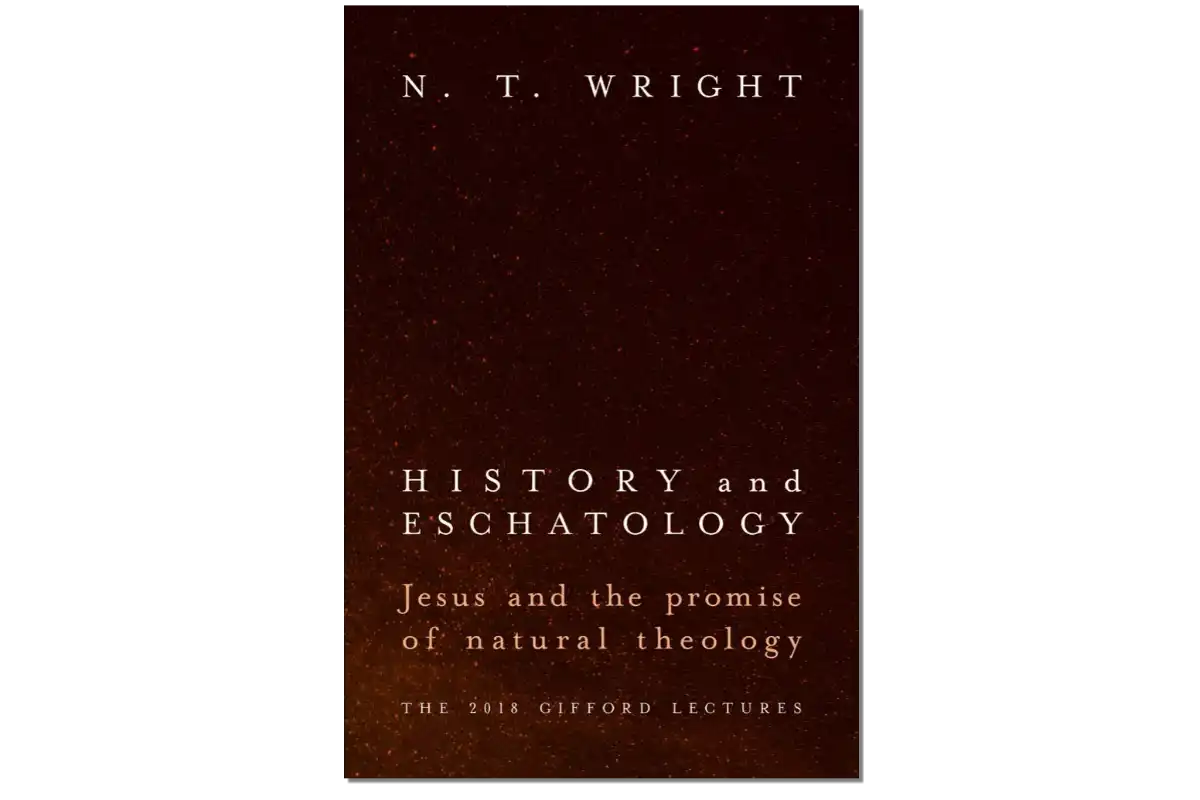
History and Eschatology: Jesus and the Promise of Natural Theology

Wright reclaims natural theology by placing Jesus back at its center. If the historical Jesus belongs to the “natural world,” he cannot be excluded from the search for God. His life, death, and resurrection confront modern questions of knowledge, history, and ultimate reality with a larger, more compelling vision.

Read More »